
Play Therapy in a Nutshell
25 August, 2025
Q&A : Sessions & Process
7 September, 2025What’s the difference between Play Therapy and Occupational Therapy, and which does my child need?
Understanding the right support for your child’s emotional and developmental growth.
Parents often feel confused when they hear recom/mendations for Play Therapy and Occupational Therapy—especially because both involve play, both are child-centred, and both help children develop important life skills.
Although the two approaches may look similar from the outside, the goals, training, and therapeutic processes are very different. Understanding these differences can help you choose the right support for your child—or com/bine both for a deeply holistic intervention plan.
What is Play Therapy?
Play Therapy is a mental-health intervention that uses play as the primary way children express emotions, process experiences, and learn healthier ways of coping.
Because children don’t naturally sit down and talk about their feelings, play becomes their “language,” and toys become their “words.”

What Play Therapy helps with:
- Anxiety, fears, worries
- Emotional regulation
- Behavioural challenges
- Trauma, medical experiences, or overwhelming events
- Family changes (divorce, moves, loss)
- Social difficulties
- Self-esteem and confidence
- Autism-related emotional needs
How Play Therapy works:
- The therapist builds a safe, trusting relationship
- The child uses the playroom to express feelings symbolically
- The therapist observes, reflects, guides, or directs play
- Healing happens through emotional expression, mastery, and connection
 Tools often used in Play Therapy:
- Sand trays
- Dollhouses
- Miniatures
- Arts and crafts
- Puppets and role-play toys
- Directive therapeutic games
- Non-directive symbolic play
The focus is always emotional healing and psychological growth.
What is Occupational Therapy (OT)?
Occupational Therapy focuses on helping children develop the skills they need for daily life, especially when these skills are delayed or challenging because of sensory, motor, or developmental differences.
OT is not mental-health therapy (although it can support emotional regulation). Instead, it helps a child function more effectively in their body and environment.
What OT helps with:
- Fine motor skills (writing, drawing, cutting)
- Gross motor skills (balance, coordination)
- Sensory processing challenges
- Attention and focus
- Self-care tasks (dressing, feeding, toileting)
- Motor planning
- School-readiness skills
- Posture and muscle tone
How OT works:
- Assessment of motor, sensory, or developmental needs
- A structured treatment plan
- Repetitive, skill-building exercises
- Sensory gym activities
- Strengthening and coordination tasks
- Adaptations for school or home environments
The focus is always functional development and sensory/motor skills.

So… why do both therapies involve play?
Because play is the most natural, effective medium for learning and development in childhood.
But the purpose of the play is different:
Play in Play Therapy:
Play is the healing process itself.
It communicates emotions, builds inner strength, and supports mental health.
Play in OT:
Play is a motivating activity used to practice motor, sensory, or developmental skills.
It strengthens the body and improves everyday functioning.
Key differences at a glance
| Play Therapy | Occupational Therapy (OT) |
| Emotional and psychological focus | Sensory, motor, and developmental focus |
| Addresses feelings, behaviour, trauma, internal struggles | Addresses physical, sensory, or functional challenges |
| Uses symbolic play | Uses skills-based, repetitive play |
| Therapist is a mental-health professional | Therapist is a sensory-motor development professional |
| Goal: emotional healing and better coping | Goal: improved functioning and independence |
Does my child need Play Therapy, OT or both?
Many children benefit from both, because they complement each other beautifully:
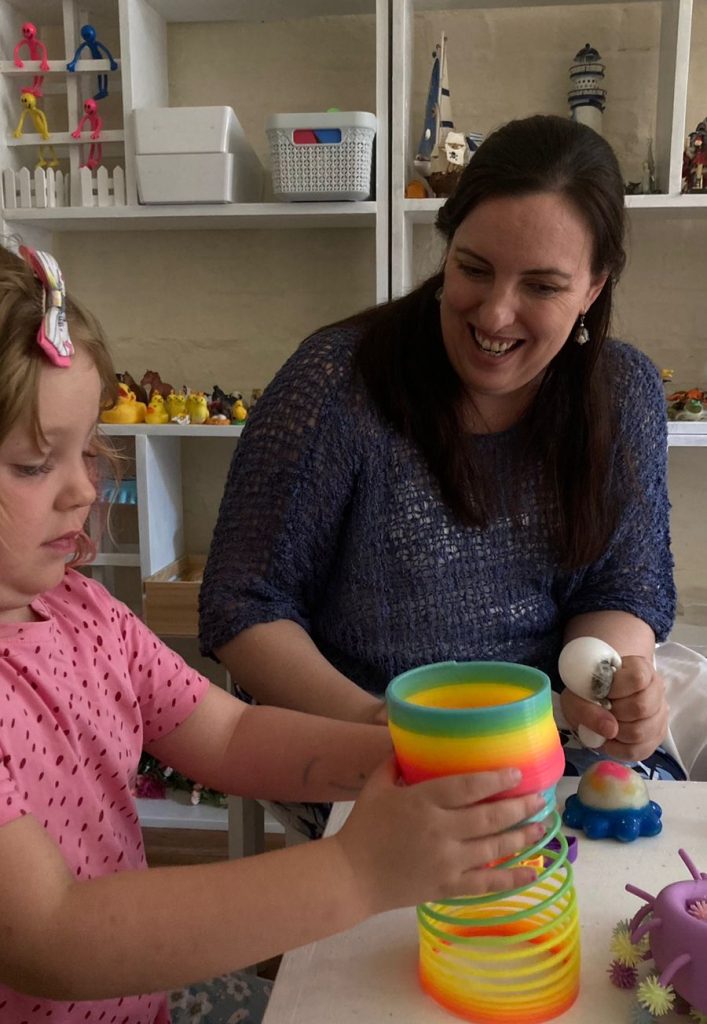 Your child may need Play Therapy if they struggle with:
- Meltdowns, big emotions, or anger
- Anxiety or fears
- Trauma or difficult experiences
- Social skills
- Confidence
- Emotional regulation
Your child may need OT if they struggle with:
- Sensory overload or “sensory seeking” behaviour
- Fine or gross motor delays
- Handwriting difficulties
- Balance or coordination
- Eating, dressing, or other self-care tasks
Your child may need a combination if:
- Emotions and sensory issues feed into each other
- Behaviour is linked to both feelings and motor challenges
- They need support at both body and emotional levels
How Play Therapy and OT work together
When combined, these therapies create a powerful holistic support system.
OT strengthens the body and sensory foundation.
Play Therapy strengthens the emotional, social, and relational foundation.
Together, they help your child thrive—not just cope.
Final thoughts
Play Therapy and Occupational Therapy are both essential, effective, research-based forms of support for children—but they serve different purposes.
If you’re unsure which one your child needs, I’m here to help you understand their unique needs and guide you toward the right next step.
Need guidance or want to book an intake?
I’d love to meet you and learn more about your child.