

Meet Elmarie
24 June, 2025
Play Therapy in a Nutshell
25 August, 2025About Play Therapy
- What is Play Therapy?
Play Therapy is a research-based therapeutic approach that uses play—the natural language of children—to help them process emotions, experiences, and relationships in a safe, nurturing environment.
- How does Play Therapy help children?
Through play, children express feelings, try out solutions, build confidence, and develop emotional and social skills they may struggle to express verbally.
- What ages do you work with?
I support children from ages 3–12, with adapted sessions for older children with developmental needs.
- What concerns can Play Therapy address?
- Anxiety, fear, or worries
- Trauma and difficult life events
- Grief and loss
- Behavioural challenges
- Emotional regulation
- ADHD support
- Autism support
- Social skills and confidence
- Transitions (school changes, divorce, new siblings)
Sessions & Process
- What happens during a session?
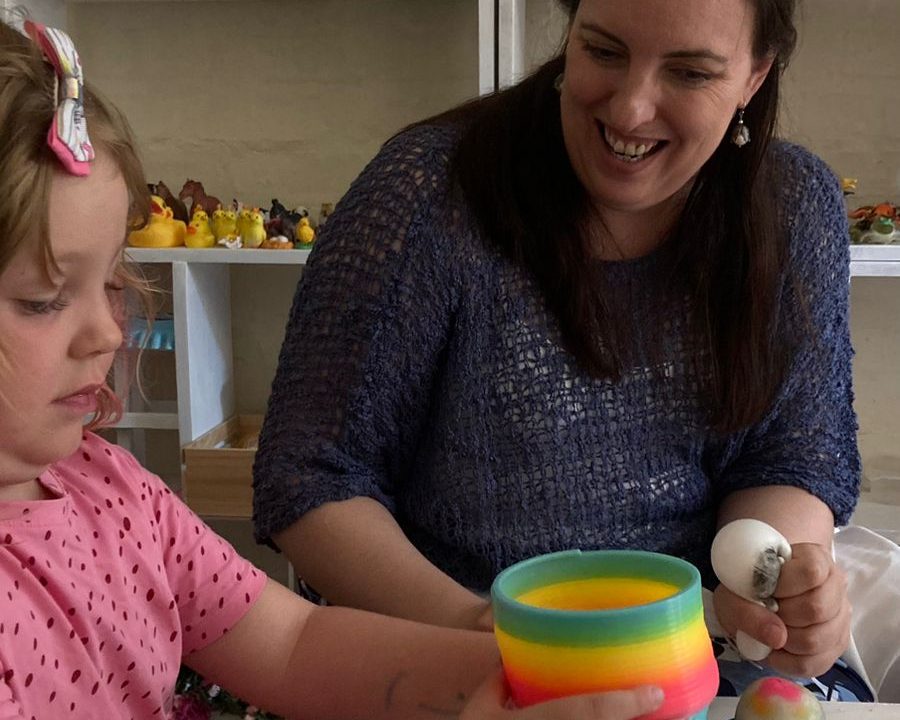
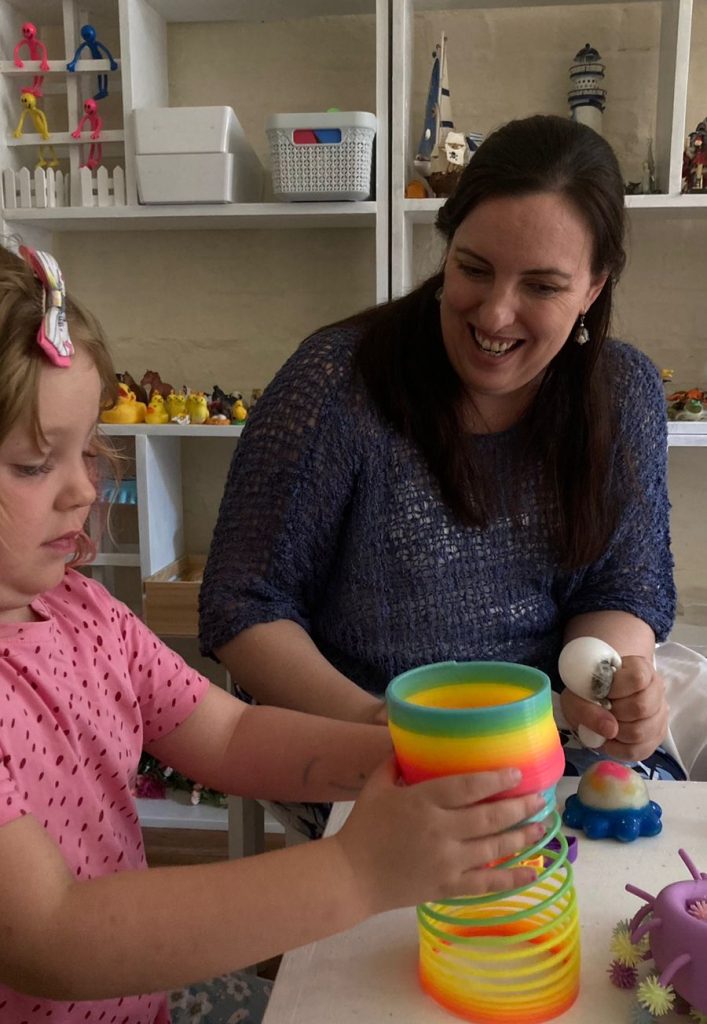
The therapy room is equipped with carefully selected toys, art materials, miniatures, and sand trays. Children play freely or through guided activities designed to support emotional healing and growth.
- How long is a session?
Sessions run 45–50 minutes, once weekly, at a regular time scheduled for your child.
- How many sessions will my child need?
Most children benefit from 12–24 sessions, but this varies depending on needs, progress, and goals.
- Do parents attend sessions?
Parents usually do not attend the child-led play sessions, but parent involvement is essential. We schedule regular feedback and strategy sessions to keep you informed and empowered.
- Will I receive updates about my child’s progress?
Yes. You will receive ongoing feedback, home strategies, themes observed in sessions, and skills your child is developing—while respecting your child’s therapeutic privacy.
- Do children need to talk during therapy?
No. Children com/municate through play. Talking naturally emerges as trust builds and the child feels ready.